
Compare Local Contractors for Faux Finish Painting Projects
Compare local contractors for faux finish painting to define project scope, verify experience, and establish clear expectations for a successful outcome.
Faux finish painting encompasses a variety of decorative techniques designed to add texture, depth, and visual interest to interior and exterior surfaces. This work often includes methods such as sponging, rag rolling, color washing, glazing, and trompe l'oeil effects. These techniques can transform plain walls into artistic focal points, enhance architectural features, or create unique atmospheres within residential or commercial spaces. When considering a faux finish project, understanding the scope of work-such as the specific techniques desired, the surfaces involved, and the overall aesthetic goals-helps ensure that the finished result aligns with expectations.
Defining the scope of a faux finish painting project is essential for clear communication and successful outcomes. Property owners should specify the types of finishes they want, the areas to be treated, and any particular textures or color schemes. Documenting these details in writing can prevent misunderstandings and provide a reference for the chosen service providers. Additionally, discussing the level of experience and the types of projects a contractor has handled can help verify their capability to deliver the desired look. A well-defined scope also assists in establishing realistic expectations and ensures that all parties are aligned before work begins.
When comparing local contractors for faux finish painting, property owners should consider a few practical factors. Reviewing portfolios or requesting examples of previous work can provide insight into a contractor’s style and skill level. It’s also helpful to verify the types of projects they have completed and to ask about their familiarity with different techniques. Comparing service providers based on their experience, communication style, and ability to clearly outline the scope of work can lead to a more informed decision. Ensuring that expectations are set in writing and that all project details are understood can contribute to a smoother process and a result that meets the property owner’s vision.
Compare local contractors by outlining project priorities, verifying experience, and establishing clear scope and expectations.
- Define Project Scope - clearly outline the desired faux finish style and surface areas to ensure accurate contractor comparisons.
- Verify Experience - review the contractor’s portfolio or references to assess their expertise with faux finishing techniques.
- Compare Service Providers - evaluate local contractors based on their specialties, reputation, and available services.
- Document Expectations - establish written agreements detailing scope, materials, and finish quality to align project outcomes.
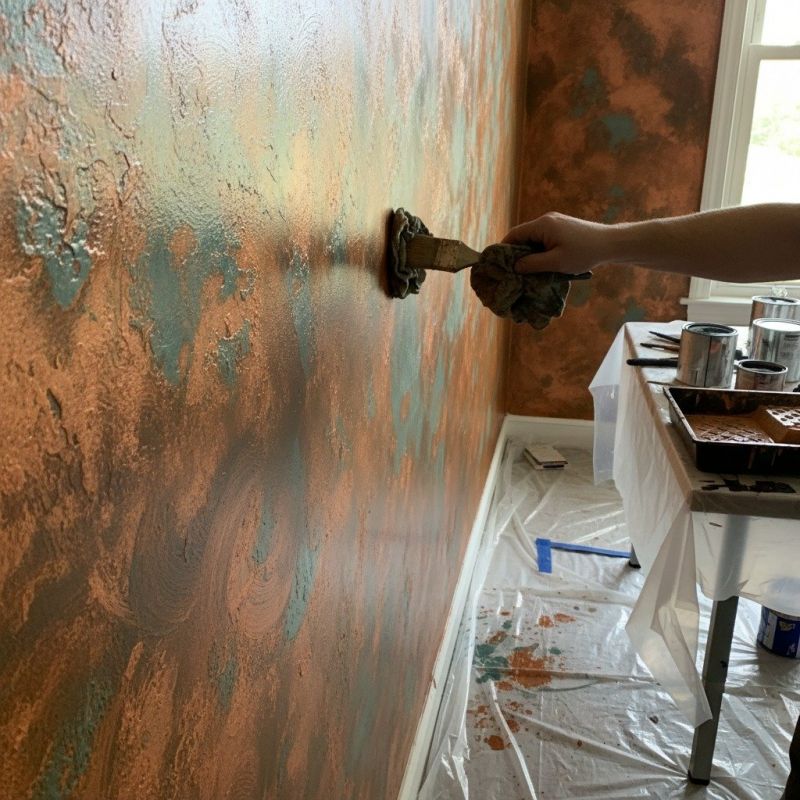
Clearly describe your faux finish project to help local contractors compare options and set clear expectations.
- Verify experience with faux finish techniques to ensure the contractor has relevant skills. - Review the scope of work to confirm it includes the specific finish style desired.
- Check references or past work examples to assess the quality and consistency of the contractor’s previous projects. - Ensure the contractor clearly defines the scope of work in the written agreement to prevent misunderstandings.
- Discuss the types of finishes and materials to be used to align expectations and avoid surprises. - Confirm that the contractor understands the desired aesthetic and can replicate the style consistently.
- Ensure the contractor provides a detailed, written project plan that outlines steps, materials, and finishes involved. - Clarify the preparation, application process, and finishing techniques to be used for the faux finish.
- Ask about the contractor’s process for addressing surface preparation, repairs, and priming prior to applying finishes. - Proper preparation is essential for achieving high-quality, long-lasting results.
- Compare multiple service providers to evaluate their experience, scope definitions, and communication clarity before making a decision. - Gathering information from different contractors helps ensure a well-informed choice.
Compare local contractors' experience and clarify project scope to ensure expectations align before starting.



Use clear, detailed scope descriptions and consistent comparison points to evaluate local contractors’ faux finish painting expertise.
- Scope Definition - Clearly outline the specific faux finish techniques, areas to be treated, and desired visual effects for the project.
- Material Selection - Specify the types of paints, glazes, and finishing products to be used to achieve the intended look.
- Surface Preparation - Identify required surface cleaning, sanding, or priming steps to ensure proper adhesion and durability.
- Application Methods - Describe the preferred application techniques and tools that service providers should employ.
- Quality Expectations - Establish standards for finish consistency, color matching, and overall appearance to guide the work performed.
When evaluating contractors for faux finish painting, it is important to consider their experience with similar projects. Homeowners should inquire about the types of finishes the contractor has worked on, such as Venetian plaster, rag rolling, or decorative glazing, to ensure they have relevant expertise. A contractor with a proven track record in completing projects comparable in scope and style can provide greater confidence in their ability to deliver the desired results. Reviewing portfolios or asking for references from past clients can help verify their familiarity with the specific techniques involved in faux finishing.
Clarity in the scope of work is essential for a successful project. Homeowners should seek contractors who can provide a detailed, written description of the services included, such as surface preparation, types of finishes, color schemes, and the number of coats or layers. This documentation helps prevent misunderstandings and establishes clear expectations from the outset. A well-defined scope also serves as a foundation for evaluating the contractor’s proposal and ensures that both parties are aligned on what will be accomplished.
Verification of a contractor’s credentials involves more than just checking references; it includes confirming their experience with projects similar to the homeowner’s. Homeowners should ask about the duration of the contractor’s experience in faux finishing, request examples of completed work, and verify that they have handled projects of comparable size and complexity. Additionally, discussing the materials and techniques the contractor plans to use can provide insight into their knowledge and professionalism. Gathering this information helps ensure that the chosen service provider has the necessary background to meet expectations.
When comparing options among local contractors, it is helpful to focus on their approach to the project and their communication style. Homeowners should evaluate how thoroughly each contractor explains their process, responds to questions, and provides written documentation of the scope and expectations. Considering the level of professionalism and clarity in their proposals can assist in identifying a reliable partner. Remember, the goal is to find a service provider who demonstrates expertise, transparency, and a clear understanding of the project’s requirements, enabling a smooth and successful faux finish painting experience.
Ask contractors to provide written scope details to ensure clear expectations and consistent project outcomes.
- Experience with Faux Finish Techniques - What specific types of faux finishes has the contractor worked on previously?
- Scope of Work Details - How will the contractor define and document the scope of the faux finish project?
- Material and Technique Preferences - Can the contractor explain their approach to selecting materials and applying different faux finish techniques?
- Project Expectations and Deliverables - How will the contractor clarify the expected outcomes and quality standards in writing?
- Comparison of Contractor Approaches - What methods does each service provider use to ensure their scope and process align with client expectations?
How can I verify a contractor's experience with faux finish painting? It's helpful to ask contractors about their previous projects and request references to ensure they have relevant experience with faux finishes similar to your desired style.
What should I include in a scope of work for faux finish painting? Clearly define the areas to be painted, the types of faux finishes desired, surface preparation requirements, and any specific materials or techniques expected to ensure all parties have aligned expectations.
How do I compare different contractors for faux finish painting? Consider their portfolios, experience levels, reviews or references, and the clarity of their proposals to assess which service providers best match your project needs.
Why is it important to get a written agreement with a contractor? A written agreement helps clarify the scope, materials, and responsibilities, reducing misunderstandings and providing a reference for project expectations.
What questions should I ask a contractor before hiring for faux finish painting? Inquire about their experience, preferred techniques, types of finishes they specialize in, and how they handle surface preparation and any potential challenges.
How can I ensure a contractor understands my desired faux finish style? Share detailed descriptions, images, or samples of the finish you want, and confirm that the contractor has experience with similar styles before proceeding.
By exploring options for faux finish painting with local contractors, visitors can gain a clearer understanding of how to define project scope, verify experience, and establish clear expectations through written agreements. Comparing different service providers helps ensure that the chosen contractor aligns with the specific needs of the project, providing confidence in the selection process.
Using the quote form to connect with nearby service providers makes it easier to evaluate multiple contractors and find those best suited for the job. Taking time to compare local options empowers homeowners and property managers to make informed decisions when selecting a professional for their faux finish painting needs.